
Construction estimating software has become a vital tool in the construction industry, known for its complexity and the numerous variables involved. The software’s primary role is to enhance the accuracy of estimates, pivotal to ensuring projects are profitable and delivered on time. Here’s how construction estimating software makes a significant difference in accuracy.
Automated calculations : reducing human error
One of the most significant advantages of construction estimating software is its capability to perform automated calculations. By using algorithms and data entry forms, the software significantly reduces the chance of human error. In manual estimation, even a small mistake in a calculation could lead to substantial financial losses. However, with automated systems, numbers are processed consistently and accurately, ensuring the final figures are reliable. This feature saves time and boosts confidence in the figures presented to clients.
Up-to-date cost databases
Keeping track of the fluctuating prices of materials and labor can be challenging when creating estimates. Construction estimating software often includes a database that is regularly updated with the latest cost information. This ensures that estimates are based on the most current market rates. As a result, project managers can provide estimates that are not only precise but also competitive. This up-to-date information is essential for making informed purchasing decisions that align with the project’s budget and timeline.
Detailed project breakdowns
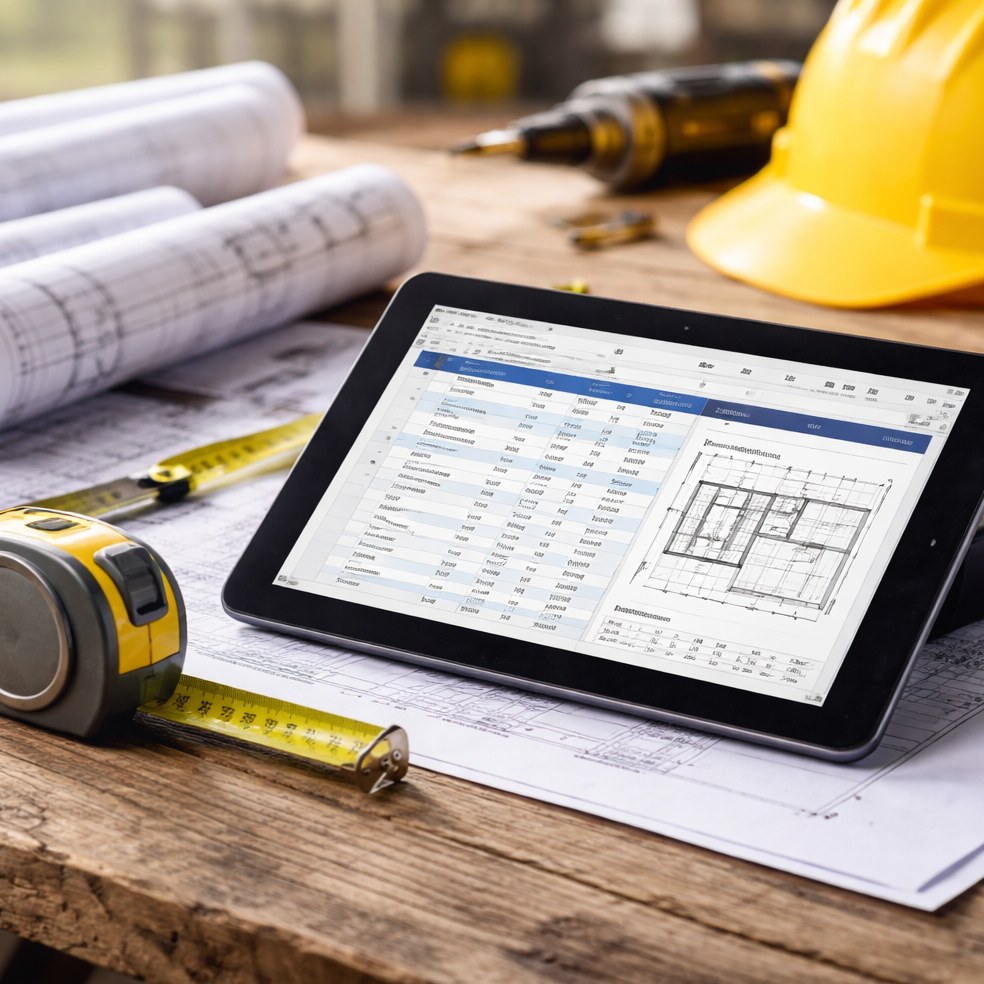
Another strength of construction estimating software is its ability to provide a detailed breakdown of each project component. It allows for the examination of individual tasks, materials, labor, and any other costs involved. This detailed insight is crucial for identifying which areas might need adjustments to stay within budget. By having a clear view of where every dollar is allocated, project managers can make more strategic decisions, ultimately improving the project’s overall financial management.
Integration with other software platforms
Construction projects require collaboration between various departments, each potentially using different software tools. Construction estimating software can often integrate with other platforms, such as project management or accounting software, fostering a seamless flow of information. This integration minimizes data duplication and errors, ensuring that everyone involved is working with the same accurate data, further enhancing the reliability of estimates and financial forecasts.
Scalability for diverse project sizes
From small residential builds to large commercial projects, the scalability of construction estimating software is a significant advantage. It can handle a wide range of project sizes without compromising on accuracy. This capability allows firms to grow and take on new projects with the confidence that their estimation process can adapt to more extensive and more complex demands. With scalable software, businesses can expand their operations without the risk of mismanagement stemming from inaccurate estimates.
Improved collaboration and communication
Effective communication is crucial in any construction project. Construction estimating software enhances collaboration by allowing multiple team members to access and work on the same estimate simultaneously. This shared access means that changes can be communicated in real-time, reducing the likelihood of miscommunication. Teams can quickly address any discrepancies, ensuring everyone is aligned and working towards the same objectives.
By streamlining the estimation process, construction estimating software helps businesses deliver projects on budget and on time. Its accuracy and efficiency benefits translate to better resource management, increased client satisfaction, and enhanced profitability. As the construction industry continues to grow, adopting such software becomes less of an option and more of a necessity for staying competitive.